Leork Hotels
26 August 2026
Leork Hotels Rawat Fort and Mankiala Stupa are two of the oldest monuments around Rawalpindi, and you can see both in a single morning. The fort is about 15 to 25 minutes from LEORK Hotels along the GT Road, and the stupa is another 10 minutes past it. Together they cover nearly two thousand years: a Buddhist stupa from the Kushan empire, and a Gakhar fort where a local chief made his last stand against the Sur dynasty in the 16th century.
Neither place is crowded, neither charges entry, and neither is on most visitors’ list, which is a shame. Here is how to do the trip.
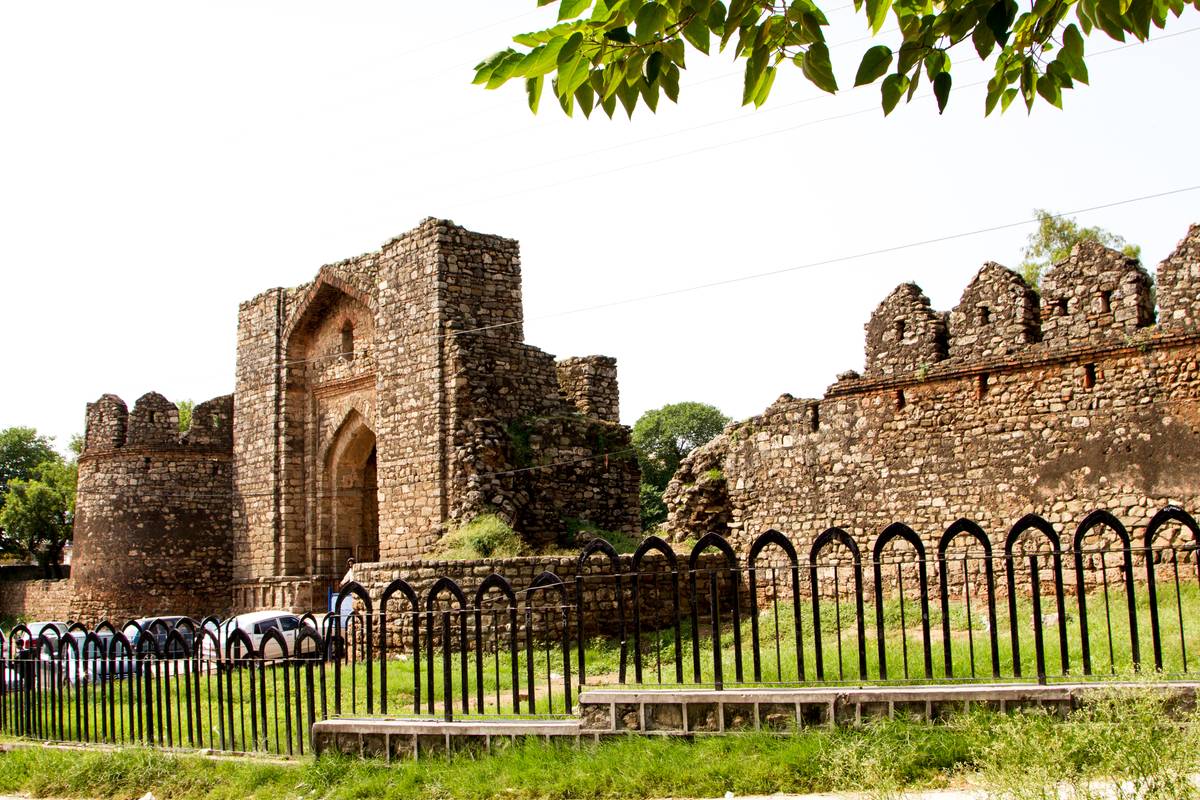
The name comes from the Arabic rabat, a roadside inn for caravans, and that is probably how the place started. The GT Road has been the main route between Kabul and Delhi for centuries, and travellers needed somewhere walled to stop for the night. Historians argue about who built the first structure. Some say the Delhi Sultanate in the 15th century, others go back further. What is clear is that in the 16th century the Gakhars, the clan that controlled the Potohar plateau, turned it into a fort.
Its most famous chapter belongs to Sultan Sarang Khan, the Gakhar chief who ruled the region from 1520. In 1546 he fought the Sur forces, the dynasty Sher Shah Suri had founded, near Rawat and was killed along with many of his sons. Accounts disagree on the number, with 16 being the most common. His brother Adam Khan recovered the bodies, built the tomb, and took over as Gakhar chief.
The fort is almost square, roughly 94 by 106 metres, and the walls enclose a big open courtyard of about two and a half acres.
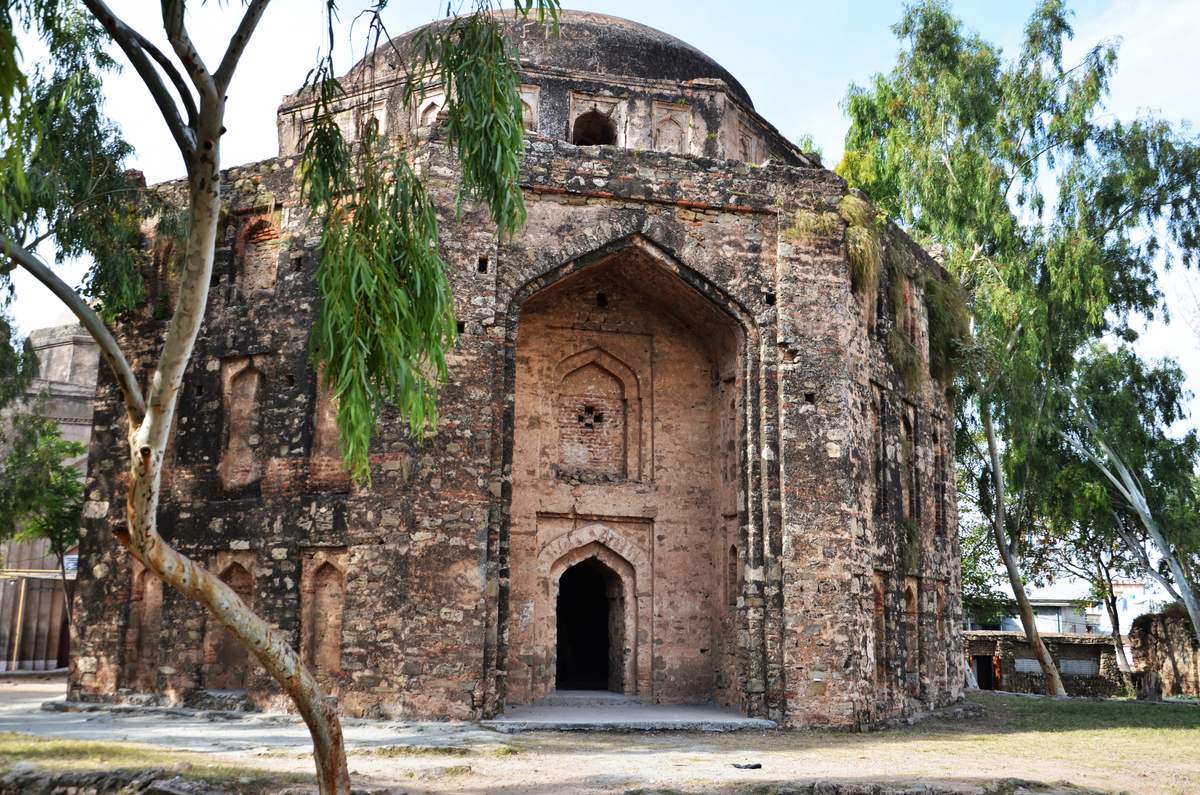
The fort spent years neglected, and between 2011 and 2017 parts were encroached on before the Department of Archaeology took full control back. Restoration has been going on since, with the cells repaired using original materials rather than rebuilt from scratch. When you visit you may see heaps of stone and work in progress. That is a good sign.
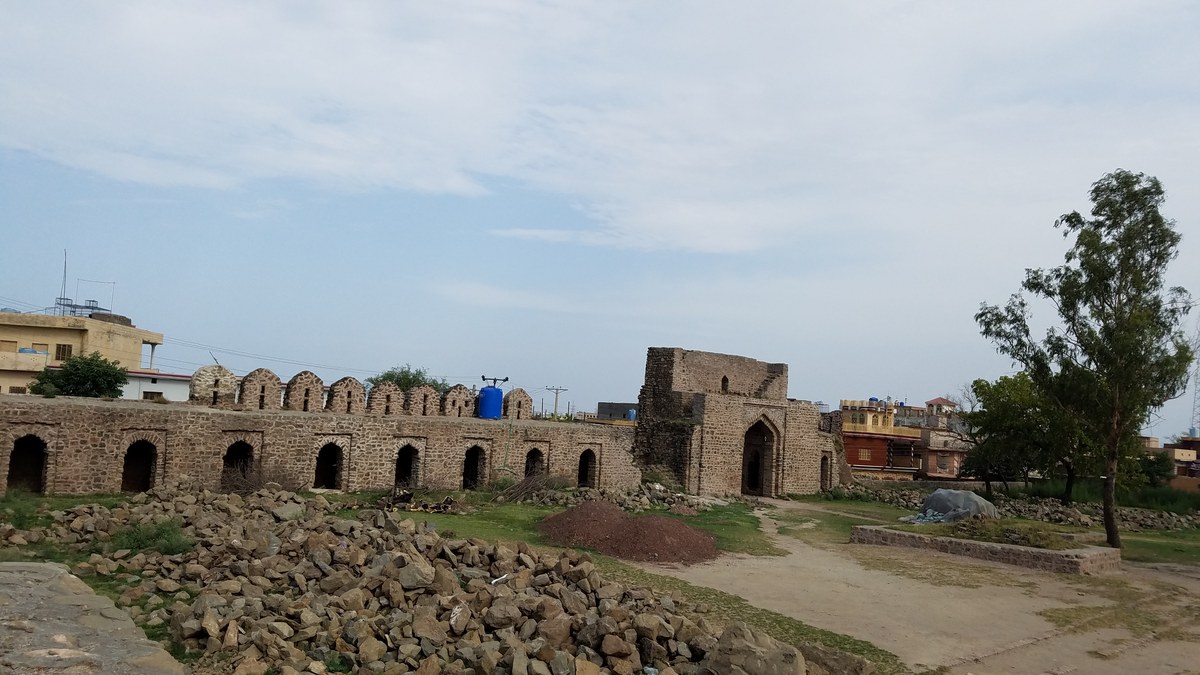
Tip: climb up for the view if access is open. From the top of the walls you can see across the Potohar countryside, and on a clear day you can pick out the dome of Mankiala Stupa to the south-east, which is where you are going next.
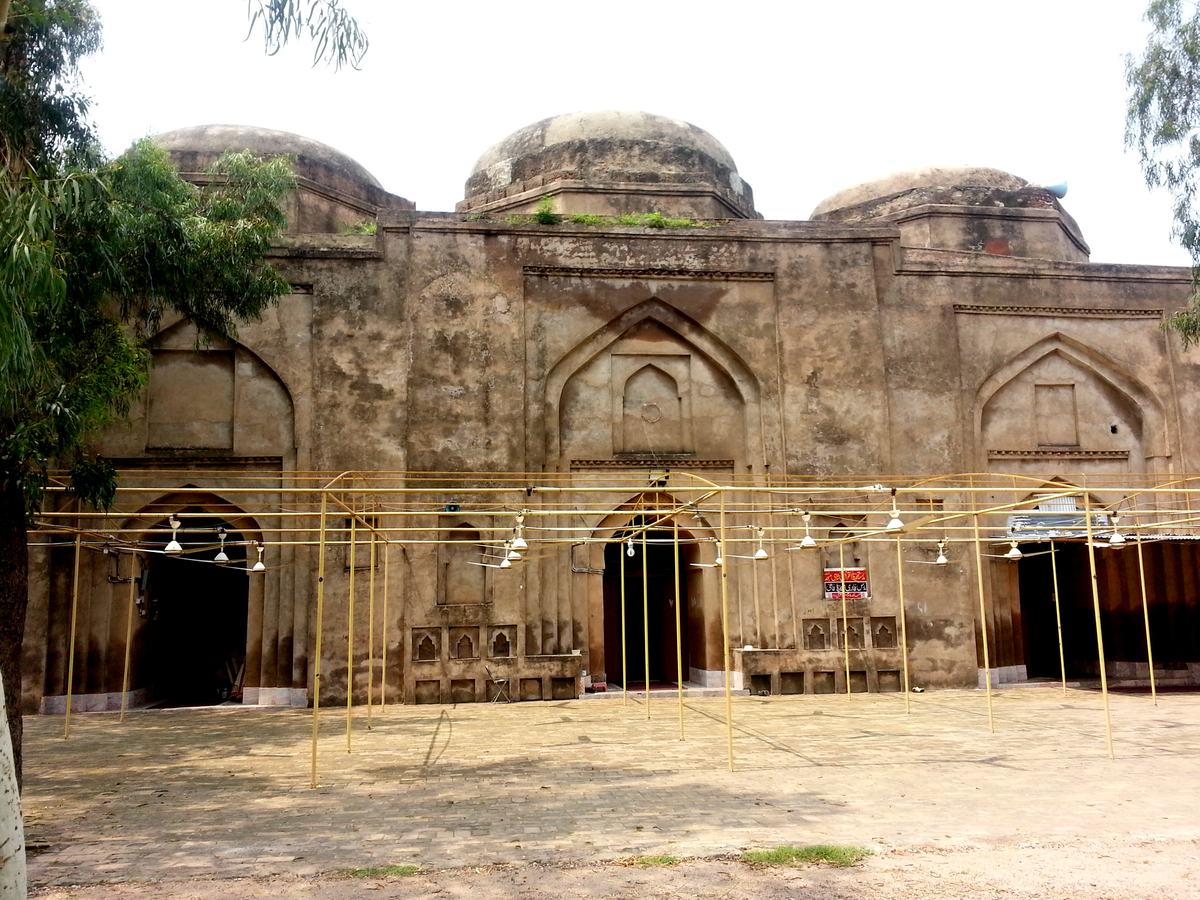
Most people know Taxila as the Gandhara heritage site near Islamabad. Fewer know there is a large Buddhist stupa just outside Rawalpindi, standing in a village field.
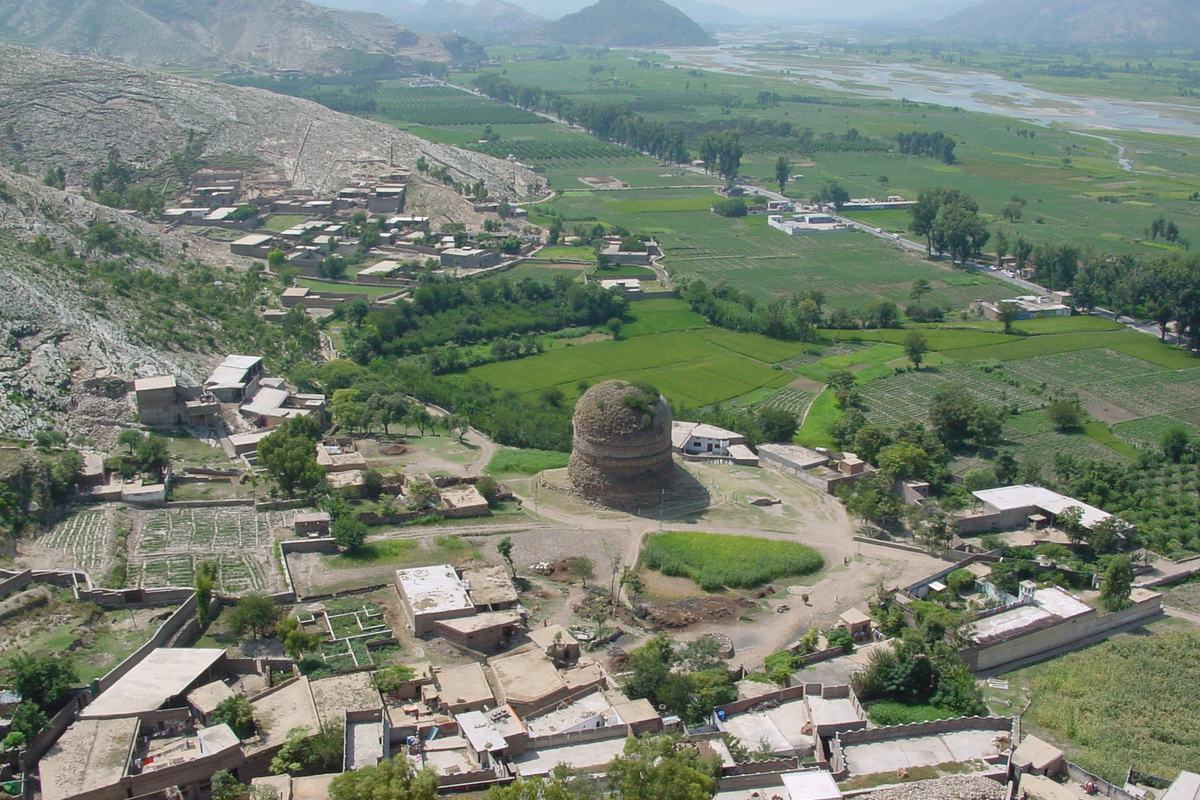
Mankiala Stupa is a huge dome of stone, about 28 metres high and more than 150 metres around its base. It is traditionally dated to the reign of the Kushan emperor Kanishka in the 2nd century CE, and an inscription in Kharosthi script found here names him. Chinese Buddhist pilgrims who walked to India between the 5th and 7th centuries, including Fa Hian and Hsuan Tsang, wrote about it.
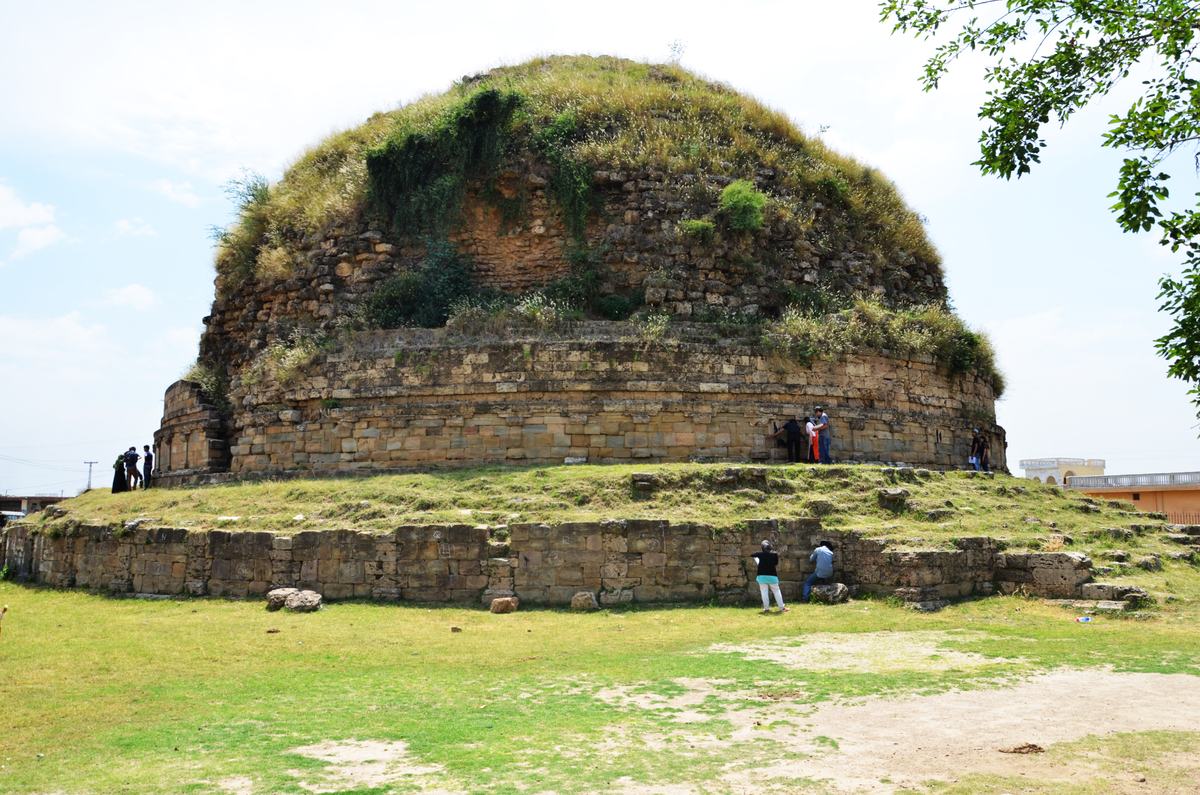
The legend behind it is what makes the place memorable. In one of the jataka tales, the stories of the Buddha’s earlier lives, Prince Sattva came across a tigress so weak from hunger that she was about to eat her own cubs. He offered his body to feed them. Mankiala is said to mark the spot.
The stupa’s later history is less gentle. The British envoy Mountstuart Elphinstone saw it in 1809 on his way to Kabul, and his party made an engraving of it. In 1830 General Jean-Baptiste Ventura, a European officer in Maharaja Ranjit Singh’s army, dug into the dome and found relic deposits including Kushan gold coins. Those finds are now in the British Museum. Alexander Cunningham dug again in 1863. You can still see the large breach the excavators cut into the mound.
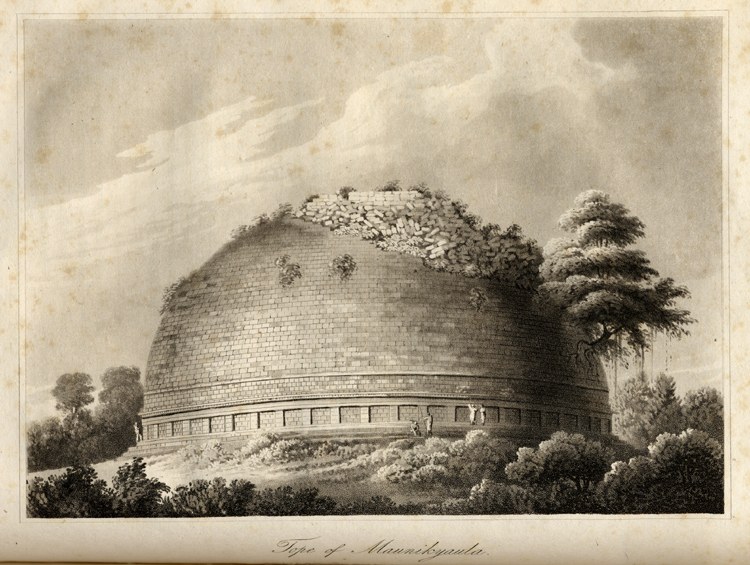
Today the stupa sits beside a village with a row of shops facing it, the odd goat wandering past, and grass growing in the cracks. It is not polished, but you get to stand right next to something nearly 2,000 years old with almost nobody else there.
The loop is simple, because everything is on or just off the GT Road.
| Leg | Distance | Time |
|---|---|---|
| LEORK Hotels to Rawat Fort | 12.6 km | 15 to 25 min |
| Rawat Fort to Mankiala Stupa | 9.5 km | about 10 min |
| Mankiala Stupa back to the hotel | 21 km | 20 to 30 min |
To reach the stupa, carry on south-east on GT Road from the fort for about 7 km, then turn left onto Mankiala Road for the last 2 km. Allow 60 to 90 minutes at the fort and about 45 minutes at the stupa. With driving, the whole trip comes to about 3 to 3.5 hours. Leave at 9 a.m. and you are back for lunch.
If you enjoy Mankiala, you will want to see more of Gandhara. Taxila is about an hour from the hotel and features in our day trips from Rawalpindi guide. For more around the city, see the top attractions near LEORK Hotels and the Rawalpindi travel guide. Families can pair this morning with an afternoon at Ayub National Park, five minutes from the hotel.
LEORK Hotels on Main GT Road near Defence Chowk is the natural base for this trip, since Rawat is straight down the same road. The Family Room suits families with children, and couples can choose the King Room.
Planning a heritage weekend? Book your stay or message us on WhatsApp at +92 333 9588862.