Leork Hotels
23 September 2026
Leork Hotels Your first 24 hours in Rawalpindi come down to five jobs: get out of the airport, get your phone working, get cash, eat something simple, and sleep properly. Most flights from the Gulf and the UK land late at night or before sunrise, so the trick is to handle the first two at the airport and leave everything else for the morning. This guide walks through each step as it works in 2026, including a few things that changed recently and still catch people out.
If you have been away for a few years, two changes matter straight away. Careem no longer runs rides in Pakistan, and Telenor has merged into Ufone. Old habits will send you looking for both.
The arrivals hall is large and orderly, and immigration plus baggage usually takes under an hour outside the busiest waves. If you are carrying more than US$10,000 in foreign currency, or gold and jewellery, declare it to customs. FBR lets you do this online in advance through its Currency Declaration System. With nothing to declare, walk through the green channel.
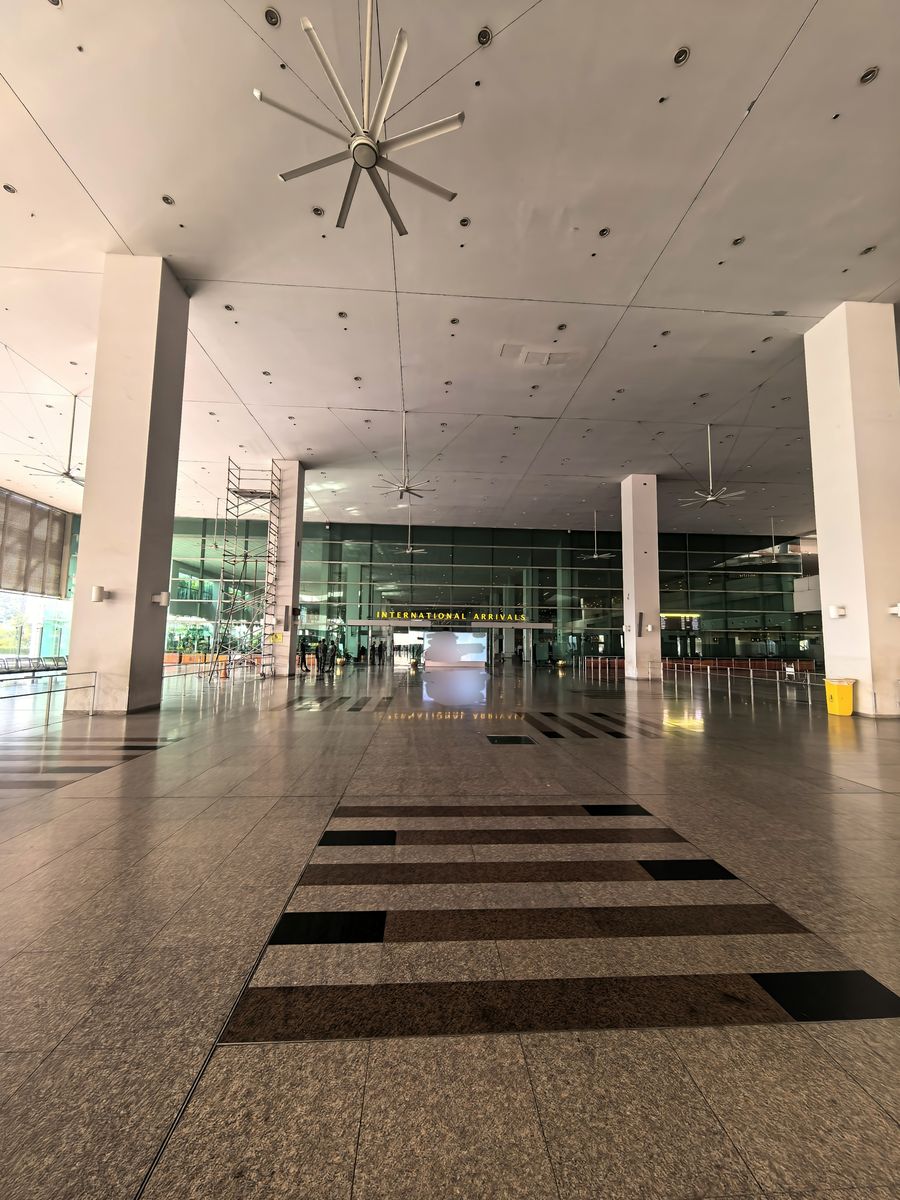
Then you have three ways into the city:
There is also a MetroBus connector from behind the car park for PKR 90. It is fine for a backpack. With two suitcases and a jet-lagged child, it is not.
From the airport to LEORK Hotels on Main GT Road near Defence Chowk is about 35 to 40 minutes on the Islamabad Expressway, longer at morning rush hour. Our hotel near Islamabad Airport guide covers the route and the late check-in side in more detail.
This is the part most people get wrong, and an unregistered phone simply stops working on Pakistani networks after a short grace period.
Phone registration (PTA). If you are an overseas Pakistani or a foreign visitor, you can register the phone you brought for up to 120 days per visit, free and tax-free, through PTA’s DIRBS portal (dirbs.pta.gov.pk/drs). It takes a few minutes with your passport details and the phone’s IMEI numbers (dial *#06# to see them). Do it on day one. Permanent registration, for a phone you plan to leave with family, is a different process with PTA tax attached, and the rates change often enough that it is worth checking on the day.
A local SIM. Pakistan now has three mobile operators: Jazz, Zong and Ufone (Telenor customers moved to Ufone after the July 2026 merger). Every SIM is sold against a biometric thumbprint, so you need to go to an operator store or authorised franchise:
Do not plan on buying a SIM at the airport. Some travellers manage it, many do not. A travel eSIM bought before you fly gives you data the moment you land, which solves the ride-booking problem above, and you can get a local SIM the next day.
Pakistan still runs on cash for rickshaws, small restaurants, tips and market shopping, even if bigger shops take cards.
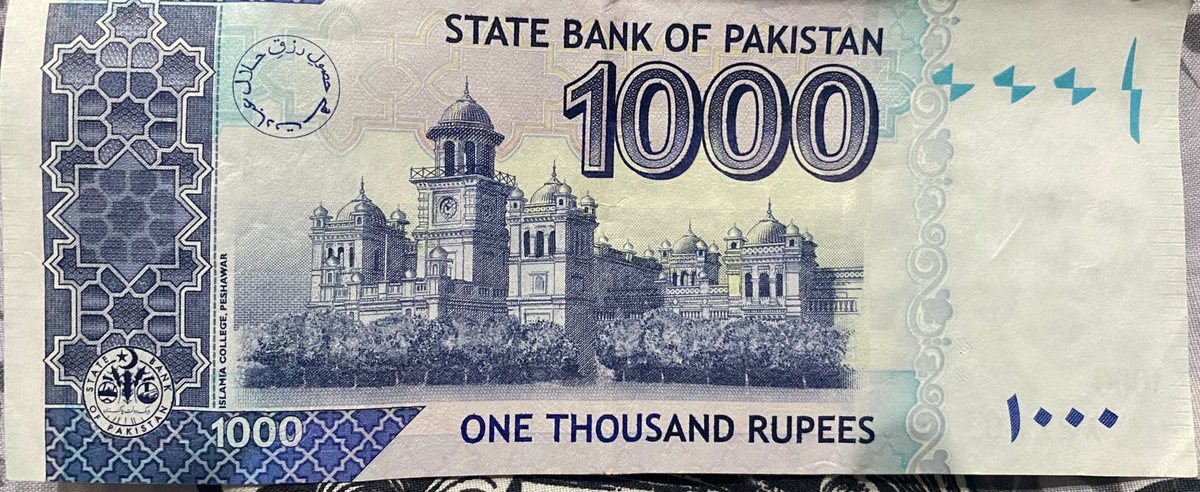
Carry a stack of 500s and 1000s rather than only 5000 notes. A rickshaw driver at 7 a.m. will not have change for a 5000.
After a long flight, a quiet room matters more than anything else. Two things in Rawalpindi are worth knowing before you choose where to stay.
First, power cuts are back in 2026. In early October the national shortfall pushed load shedding to three or four hours in many areas, on top of scheduled maintenance outages. Family homes often run on UPS, which keeps the fans and lights going but not much else. A hotel with proper backup power and fiber Wi-Fi means you can charge everything, call home and sleep through a cut without noticing it.
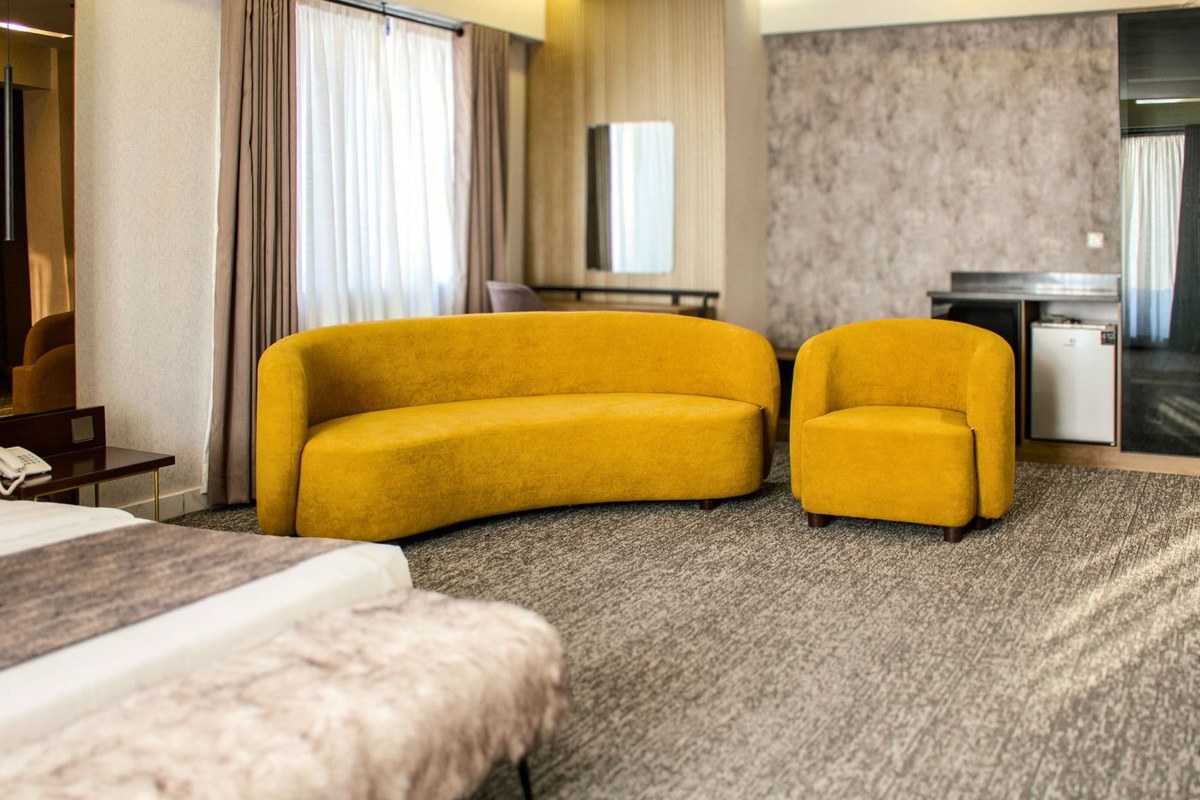
Second, late check-in needs to actually work. At LEORK Hotels reception and security run 24/7, so a 4 a.m. arrival is normal, not a favour. Send your flight number on WhatsApp before you board and the room will be ready. The Deluxe King has a proper seating area for unpacking and recovering, and the Family Room suits parents travelling with children. Free parking also helps if relatives are collecting you or dropping in.
A lot of overseas families do the first night or two at a hotel even when they will end up staying with relatives. Arriving at a family home at dawn, with the whole household awake to greet you, is lovely in theory. In practice everyone ends up exhausted.
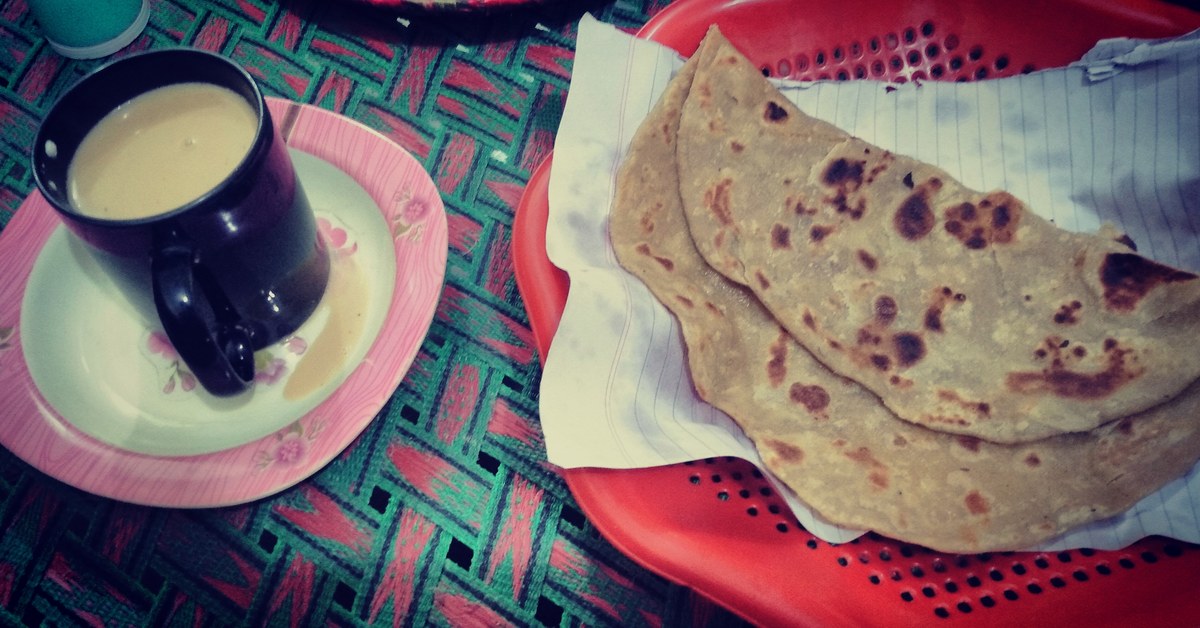
Keep the first meal plain. A paratha with chai, or eggs and toast, is kinder to a stomach that has just crossed four time zones than a full nihari breakfast. The heavy food can wait until day two, when it will taste better anyway.
A few other first-day rules:
Many overseas Pakistanis use a trip home to sort out NADRA or passport work. NADRA’s Blue Area Mega Center in Islamabad is reported to run around the clock, and Rawalpindi has a Mega Center on Murree Road with NICOP self-service kiosks. Hours change, so call the NADRA helpline (051-111-786-100) before you go, and check whether your NICOP or POC renewal can be done online through Pak-ID first. It often can, and that saves a whole morning.
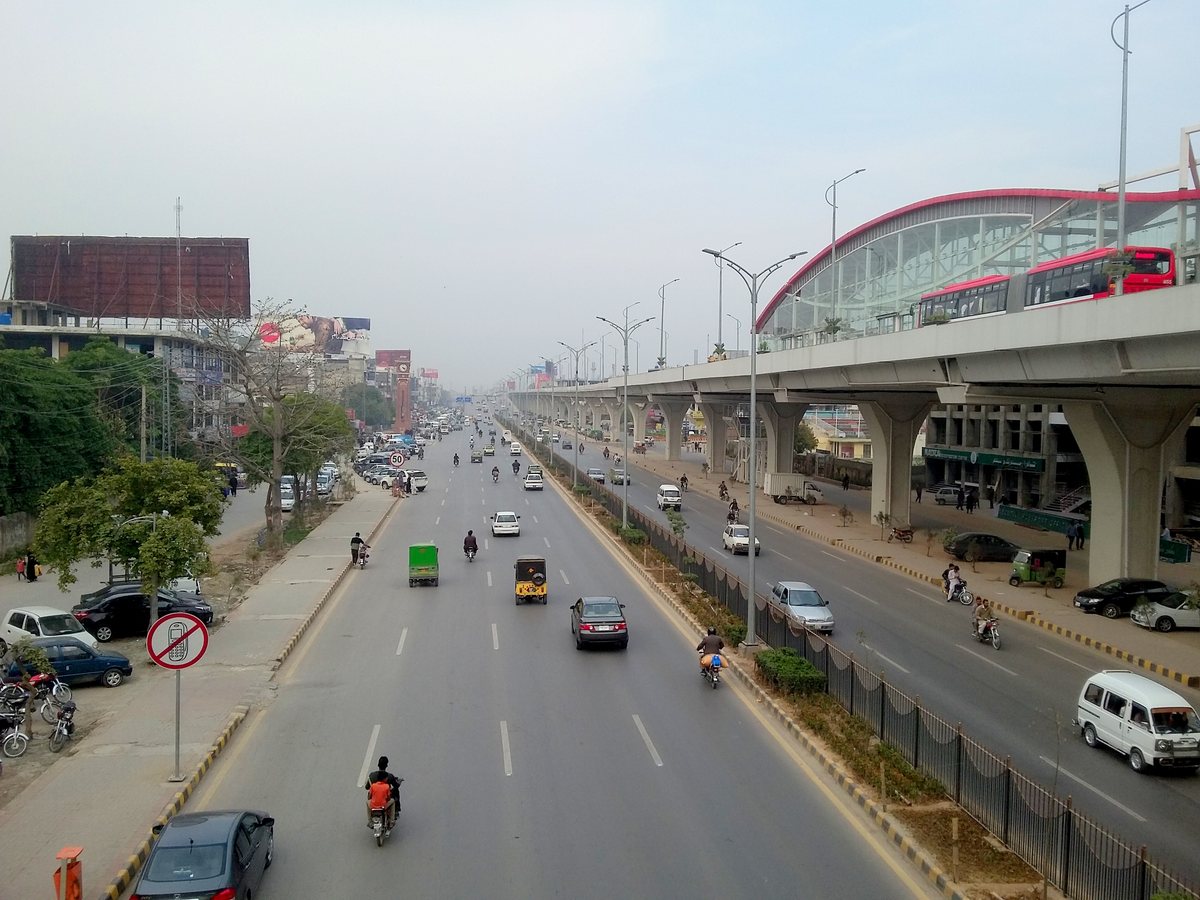
Once your phone works, the twin cities open up. The MetroBus runs along Murree Road between Saddar and Islamabad and beats traffic at rush hour. inDrive and Yango cover everything else. For where to go first, our Rawalpindi travel guide has the main sights and food, and the Saddar guide covers the bazaars, where you will probably end up buying gifts to take back.
Dress modestly, especially in markets and religious sites. Pass and eat with your right hand. Agree the fare before a rickshaw moves. Keep a photo of your passport or CNIC on your phone and the originals somewhere safe. And when crossing GT Road near Defence Chowk, take your time. It is a busy road and nobody is in a hurry to stop for you.
Register your phone on DIRBS, sort a SIM or eSIM, carry small notes, eat something plain, and sleep somewhere with backup power and a front desk that is awake when you land. Then start enjoying being home.
Landing soon? Book your room or WhatsApp your flight details to +92 333 9588862 and we will be ready whatever time you arrive.